What is the Empower-Autism programme?
A psychoeducational and psychotherapeutic group-based programme for caregivers of children newly diagnosed as autistic.
What does the Empower-Autism programme do?
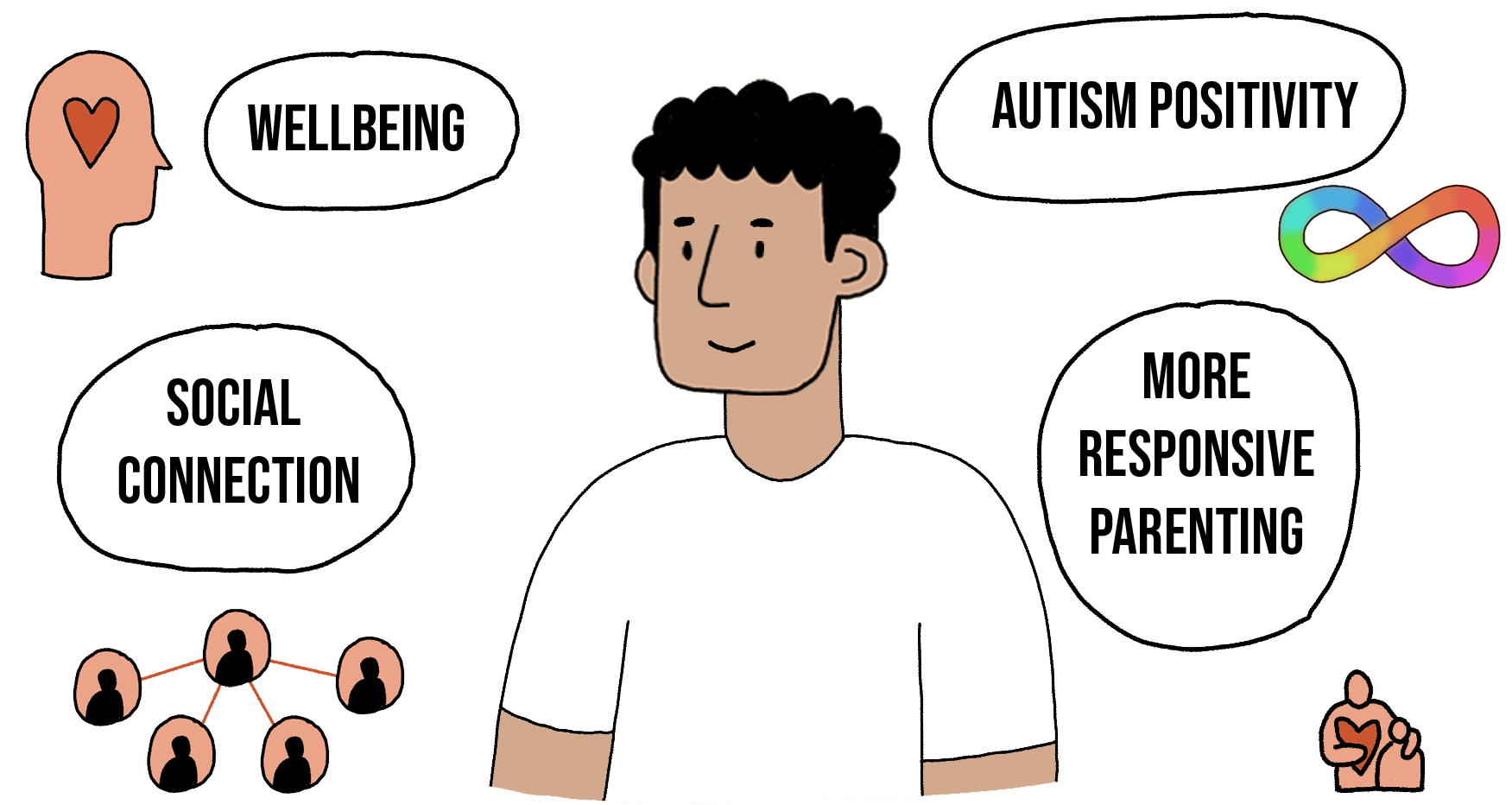
It helps parents share information and strategies and offers wellbeing support through Acceptance and Commitment Therapy, which helps people adjust to new circumstances and process complex feelings.
“We feel a bit less alone... Because of that we’ve felt a bit more relaxed really about autism and our son. Maybe just almost a bit more accepting of it.”
“I’ve learned to see the world how my son sees it.”
— Parents of Autistic Children

How does the Empower-Autism programme work?
The Empower-Autism programme has been developed from existing clinical practice, theory, research, and service-user collaboration.
It takes a holistic and collaborative approach to address the needs of parents and caregivers in the post-diagnostic period. It does this through integrating problem-focused psycho-education about autism and ways in which parents can support their children, and a manualised Acceptance and Commitment Therapy (ACT) psycho-therapeutic approach. This supports parents with their emotional response to the diagnosis, their general mental health and wellbeing, and their management of any stress that may arise as a result of their child’s condition, the surrounding context, or any other factors.
Within the sessions, peer support and the sharing of expertise are promoted through facilitated group discussions in which everyone’s experience and expertise is valued.
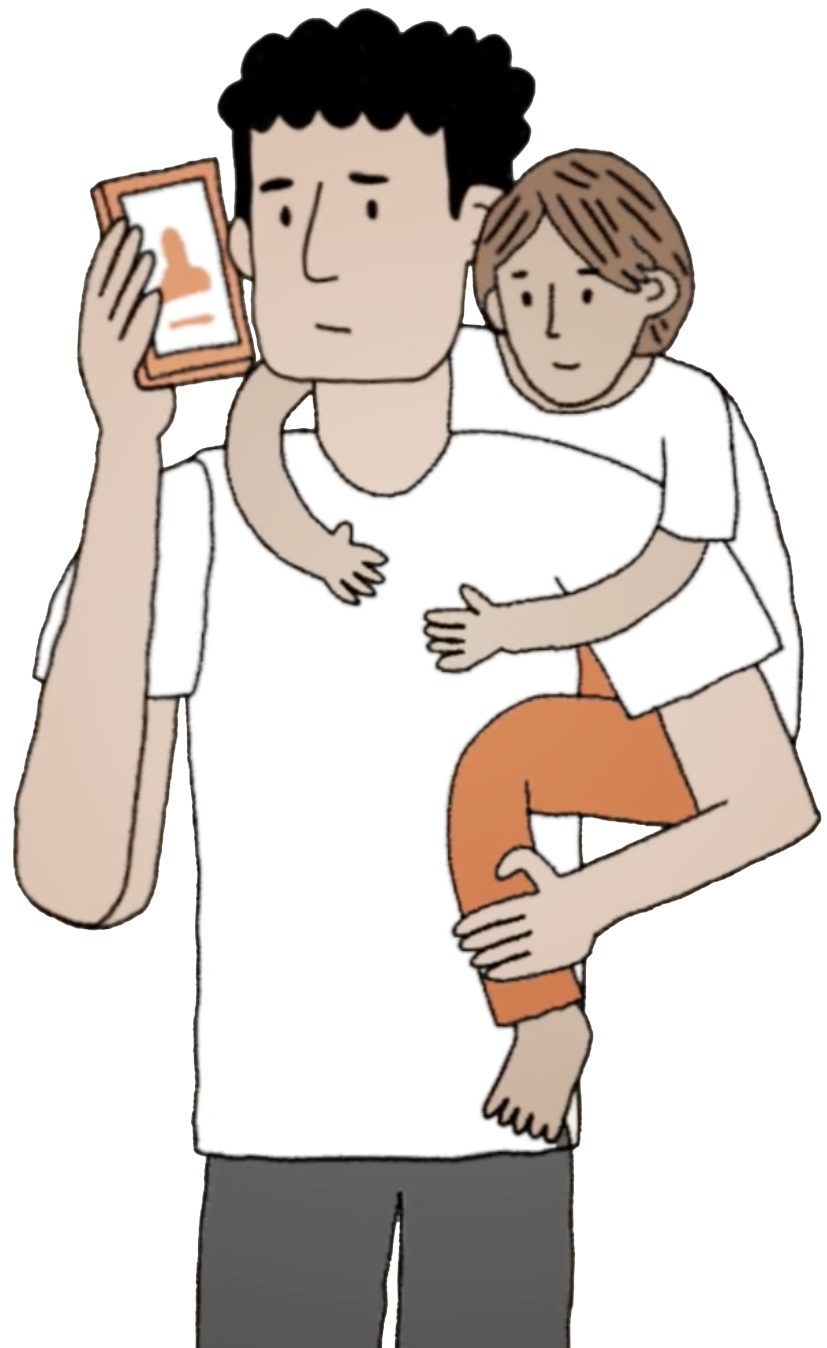
“Thank you so much, it's been really worthwhile, and I would highly recommend it to any other parent with an autistic child.”
“My son is minimally verbal, but I’ve learnt that there’s so much more going on in there – he’s more able than I think.”
— Parents of Autistic Children
What does the Empower-Autism consist of?
There are five sessions lasting three hours each. They take place online.
-
Introduction to autism and ACT
-
Autistic ways of processing; the education system and managing stress
-
Communication, understanding and interaction
-
Who and what matters to you? (ACT)
-
Your child, their world: sensory processing and emotional regulation